
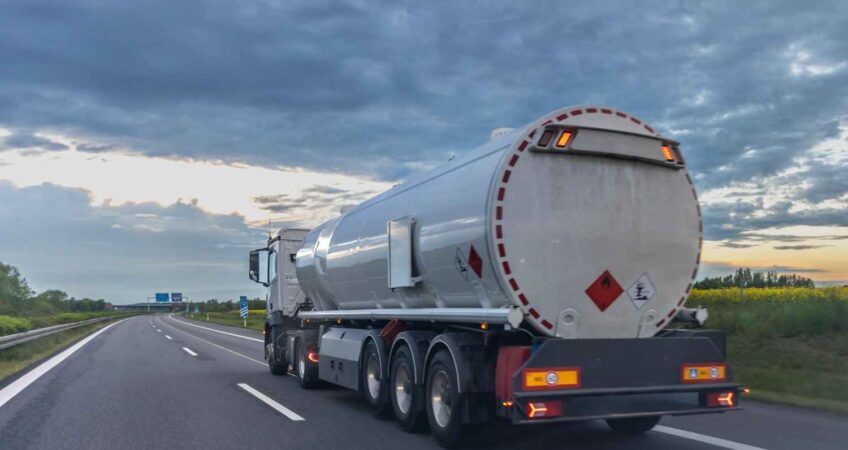
Modern Fuel Transportation is changing how fuel is moved across the country, making deliveries safer, faster, and easier to track than ever before.
Have you ever wondered how fuel gets from a refinery to the gas station near your home? Or how companies make sure every gallon arrives safely? Years ago, fuel transportation relied heavily on manual paperwork, phone calls, and driver updates. Today, technology has transformed nearly every step of the journey.
Whether it’s GPS tracking, electronic logging devices, smart sensors, or digital fleet management, modern innovations are helping fuel carriers reduce risks while improving efficiency.
Why Technology Matters in Fuel Transportation
Transporting fuel isn’t like delivering ordinary freight. Fuel is a hazardous material that requires careful planning, trained drivers, and strict compliance with safety regulations.
Modern technology helps companies:
- Improve driver safety
- Monitor vehicles in real time
- Prevent fuel theft
- Reduce delivery delays
- Ensure regulatory compliance
- Keep customers informed
The result is a transportation system that’s more reliable for everyone involved.
Real-Time GPS Tracking Keeps Everyone Informed
One of the biggest improvements in Modern Fuel Transportation is GPS fleet tracking.
Instead of wondering where a truck is, dispatchers can see its exact location instantly.
Benefits include:
- Live vehicle locations
- More accurate delivery times
- Faster rerouting around accidents or road closures
- Better communication with customers
- Improved emergency response if needed
Imagine a fuel truck heading toward a service station. If traffic suddenly backs up because of an accident, dispatchers can quickly recommend an alternate route, preventing unnecessary delays.
Smart Sensors Improve Fuel Safety
Today’s fuel tankers often include advanced sensors that monitor important conditions throughout the trip.
These systems can track:
- Fuel levels
- Tank pressure
- Temperature
- Tank integrity
- Equipment performance
If something unusual happens, alerts are sent immediately so drivers and dispatch teams can respond before a small issue becomes a major problem.
Electronic Logging Makes Compliance Easier
Keeping accurate driver records is critical in fuel transportation.
Electronic Logging Devices (ELDs) automatically record:
- Driving hours
- Rest breaks
- Vehicle movement
- Duty status
This helps companies comply with federal Hours of Service regulations while reducing paperwork and human error.
Drivers spend less time filling out forms and more time focusing on safe driving.
Dash Cameras Support Safer Driving
Many fuel fleets now use forward-facing and driver-facing cameras to improve safety.
These systems can help identify:
- Hard braking
- Speeding
- Distracted driving
- Unsafe following distances
- Sudden lane changes
The footage is often used for coaching drivers rather than simply monitoring them.
Many companies have reported fewer accidents after implementing camera-based safety programs.
Route Optimization Saves Time and Fuel
Technology can now calculate the most efficient delivery routes using real-time information.
Route optimization considers:
- Traffic conditions
- Construction zones
- Weather
- Delivery schedules
- Fuel consumption
- Vehicle restrictions
Benefits include:
- Faster deliveries
- Lower fuel costs
- Reduced emissions
- Better customer service
- Less wear and tear on vehicles
Even saving a few miles on hundreds of deliveries can make a significant difference over time.
Predictive Maintenance Prevents Breakdowns
Unexpected vehicle breakdowns can delay deliveries and create safety concerns.
Modern fleet management systems monitor vehicle health by tracking:
- Engine performance
- Tire pressure
- Brake condition
- Battery health
- Oil life
- Maintenance schedules
Instead of waiting for equipment to fail, companies can schedule maintenance before problems occur.
That means fewer roadside repairs and more dependable deliveries.
Digital Documentation Speeds Up Operations
Paper forms are gradually being replaced with digital records.
Drivers can now complete:
- Delivery confirmations
- Inspection reports
- Bills of lading
- Fuel receipts
- Compliance documents
Benefits include:
- Faster processing
- Better accuracy
- Easier record keeping
- Instant document sharing
- Reduced paperwork
Everything becomes easier to find when records are stored securely in the cloud.
Fuel Theft Prevention Has Improved
Fuel theft remains a concern across the transportation industry.
Modern security technology helps reduce losses through:
- GPS tracking
- Geofencing alerts
- Tank monitoring
- Digital fuel inventory
- Driver authentication systems
If a truck leaves an approved route or fuel levels change unexpectedly, dispatch teams receive alerts immediately.
Better Communication Means Better Customer Service
Customers today expect updates just like they receive from package delivery companies.
Modern transportation software provides:
- Delivery notifications
- Arrival estimates
- Live shipment tracking
- Digital delivery confirmation
- Faster customer support
This level of visibility builds trust and helps businesses plan more effectively.
The Future of Modern Fuel Transportation
Technology continues to evolve.
Emerging innovations include:
- Artificial intelligence for route planning
- Predictive analytics for fleet management
- Connected vehicle technology
- Drone-assisted facility inspections
- Advanced telematics
- Automated safety reporting
While human expertise will always remain essential, these tools are helping transportation companies operate more safely and efficiently than ever before.
Why Businesses Benefit from Modern Fuel Transportation
Companies that embrace modern transportation technology often experience measurable improvements, including:
- Enhanced driver and public safety
- Greater shipment visibility
- Lower operating costs
- Reduced delivery delays
- Improved regulatory compliance
- Better customer satisfaction
- Stronger fleet performance
- More reliable fuel deliveries
In an industry where safety and precision are critical, technology has become a valuable partner rather than just a convenience.
Frequently Asked Questions
What is Modern Fuel Transportation?
Modern Fuel Transportation refers to the use of advanced technologies such as GPS tracking, telematics, electronic logging, smart sensors, and digital fleet management to improve the safety, efficiency, and visibility of fuel deliveries.
How does GPS improve fuel transportation?
GPS allows dispatchers to monitor vehicle locations in real time, optimize routes, respond quickly to delays, and provide customers with accurate delivery updates.
Why is tracking important when transporting fuel?
Real-time tracking improves security, helps prevent theft, supports emergency response, ensures timely deliveries, and keeps both transportation companies and customers informed throughout the journey.
What technologies improve fuel transportation safety?
Common technologies include:
- GPS fleet tracking
- Electronic Logging Devices (ELDs)
- Dash cameras
- Smart tank sensors
- Predictive maintenance software
- Telematics systems
- Digital inspection tools
Does technology help reduce transportation costs?
Yes. Route optimization, preventive maintenance, reduced paperwork, improved fuel efficiency, and fewer vehicle breakdowns all contribute to lower operating costs over time.
Final Thoughts
The fuel transportation industry has come a long way from paper logs and manual dispatching. Today’s digital tools help companies deliver fuel with greater confidence, accuracy, and accountability while protecting drivers, customers, and communities along the way.
As innovation continues, Modern Fuel Transportation will remain at the center of safer operations, smarter fleet management, and more transparent fuel delivery across the country.