Fuel Transportation

Fuel Transportation Explained for US Businesses and Operators

Fuel Transportation is one of those things most businesses rely on every day but rarely stop to think about until something goes wrong. A delayed delivery, a compliance issue, or a sudden price spike can throw operations completely off track.

If you’re responsible for moving fuel, buying fuel, or depending on fuel to keep operations running, you’ve probably asked yourself a few real-world questions:

  • Why does fuel delivery feel so complex?

  • Who’s responsible if there’s a spill or delay?

  • Why do regulations seem different in every state?

  • How do transportation issues affect pricing so quickly?

You’re not alone. Fuel Transportation in the US is tightly regulated, logistically demanding, and absolutely essential. Let’s break it down in plain language.


What Fuel Transportation Actually Means

At its core, fuel transportation is the movement of fuel from refineries or terminals to where it’s actually used.

This includes transporting:

  • Gasoline

  • Diesel (on-road and off-road)

  • Aviation fuel

  • Heating oil

  • Other petroleum-based fuels

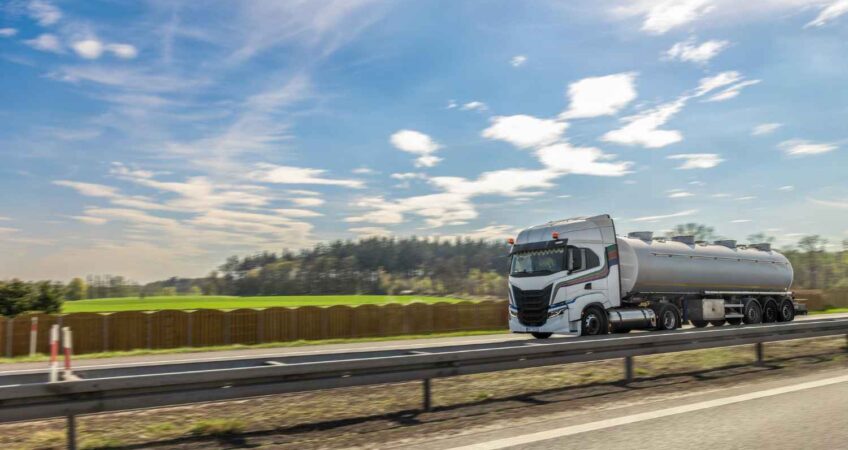
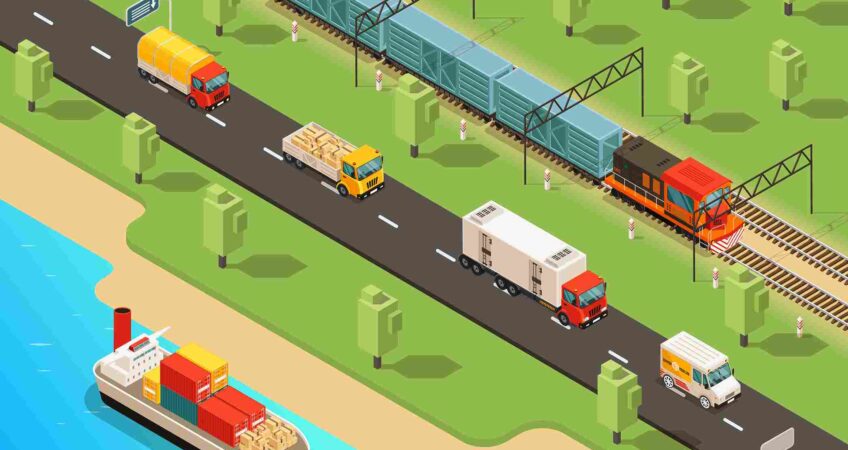
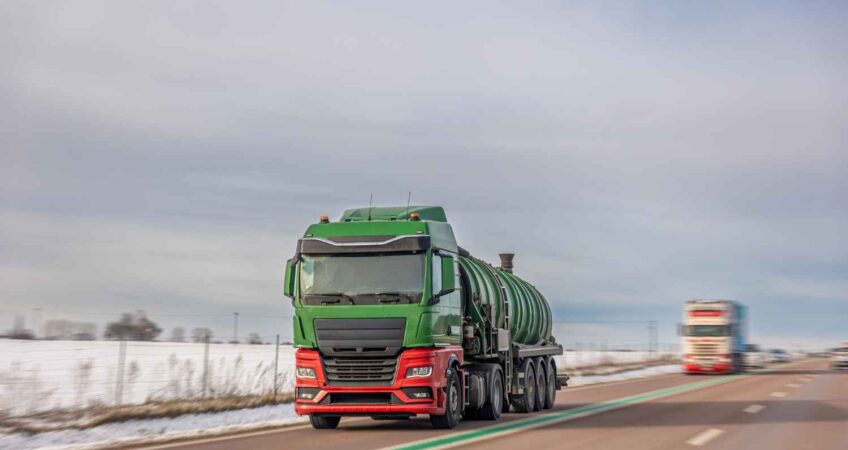
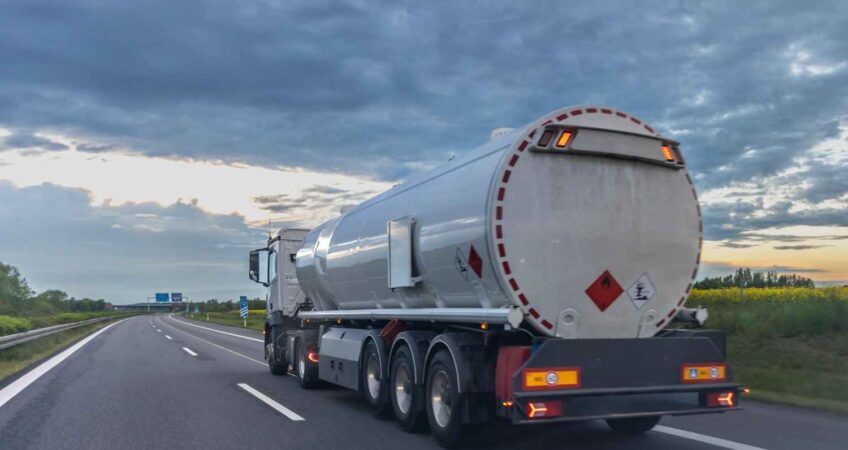
Fuel moves across the country through a mix of trucks, pipelines, rail, and ships. For most businesses, tanker trucks handle the last and most critical leg of delivery.


Why Fuel Transportation Matters to US Businesses

Fuel isn’t just another product. It’s time-sensitive, hazardous, and tightly regulated.

Reliable fuel transportation ensures:

  • Fleets stay on the road

  • Construction sites stay active

  • Convenience stores stay stocked

  • Generators run during outages

  • Supply chains don’t grind to a halt

When fuel doesn’t arrive on time, everything downstream feels it fast.


How Fuel Transportation Works in the US

Fuel transportation follows a structured process designed to prioritize safety and accountability.

Typical Fuel Transportation Flow

  • Fuel is produced at refineries

  • Stored at bulk terminals

  • Loaded into certified tanker trucks

  • Transported by licensed carriers

  • Delivered to end users or retail locations

Each step includes documentation, tracking, and compliance checks.


Regulations That Govern Fuel Transportation

This is where many operators feel overwhelmed.

Fuel transportation in the US is regulated by:

  • Department of Transportation (DOT)

  • Federal Motor Carrier Safety Administration (FMCSA)

  • Environmental Protection Agency (EPA)

  • State-level environmental and safety agencies

Operators must follow strict rules around:

  • Driver qualifications

  • Vehicle inspections

  • Spill prevention

  • Load limits

  • Routing and delivery documentation

Missing even one requirement can result in fines, shutdowns, or worse.


Safety Is the Backbone of Fuel Transportation

Fuel transportation is high-risk by nature. That’s why safety isn’t optional.

Key safety measures include:

  • Properly trained and certified drivers

  • Regular tanker inspections

  • Spill containment systems

  • Emergency response procedures

  • Real-time communication and tracking

Real example: A single unattended hose or faulty valve can turn into an environmental incident costing thousands or even millions of dollars.


Technology Is Changing Fuel Transportation

Modern fuel transportation looks very different from even ten years ago.

Many operators now use:

  • GPS tracking for tanker trucks

  • Real-time delivery monitoring

  • Digital logs and compliance records

  • Automated dispatch systems

This technology helps businesses reduce delays, improve transparency, and respond faster when issues arise.


Fuel Transportation Costs and What Affects Pricing

Fuel transportation costs are influenced by more than just fuel prices.

Common cost drivers include:

  • Distance and routing

  • Fuel type

  • Regulatory compliance costs

  • Driver availability

  • Insurance and risk management

When transportation costs rise, those increases often pass quickly to businesses and consumers.


Who Relies Most on Fuel Transportation?

Fuel transportation supports nearly every major industry, including:

  • Convenience stores and gas stations

  • Construction and heavy equipment operators

  • Fleet and logistics companies

  • Manufacturing facilities

  • Municipal and government operations

  • Emergency services

If your business depends on energy, you depend on fuel transportation, whether you realize it or not.


Common Challenges in Fuel Transportation

Even well-run operations face challenges.

The most common include:

  • Regulatory changes

  • Driver shortages

  • Equipment maintenance issues

  • Weather-related delays

  • Environmental compliance risks

The strongest operators plan for these challenges instead of reacting to them.


FAQs About Fuel Transportation

What is fuel transportation?

Fuel transportation is the process of moving fuel from refineries or terminals to businesses, retailers, or end users.

Who regulates fuel transportation in the US?

Fuel transportation is regulated by federal agencies like DOT, FMCSA, and EPA, along with state authorities.

Is fuel transportation dangerous?

It can be if not managed properly. That’s why strict safety standards and training are required.

How does fuel transportation affect fuel prices?

Transportation costs, compliance requirements, and supply chain disruptions all impact final fuel pricing.

Do small businesses need to understand fuel transportation?

Yes. Even businesses that don’t transport fuel themselves are affected by delivery reliability and compliance costs.


Why Understanding Fuel Transportation Matters

When you understand how fuel transportation works, you make better decisions. You plan smarter, manage risk more effectively, and avoid surprises that can disrupt operations.

In a country that runs on energy, Fuel Transportation isn’t just logistics. It’s the backbone of doing business in the US.

Safe Fuel Transportation

Which Fuel Is Primarily Used for Transportation?

Which Fuel Is Primarily Used for Transportation? A Simple Breakdown

Most people wonder the same thing: With all the new tech and electric cars popping up, what fuel is actually powering our transportation system today?

If you’ve ever stood at a gas station or watched trucks on the highway and thought, “So which fuel is primarily used for transportation?” — you’re in the right place. Let’s break it down in plain, real-world language.

The short answer: Gasoline is still the most widely used fuel for transportation, but diesel, electricity, natural gas, biodiesel, and even hydrogen all play important roles.

Let’s walk through it together like we’re chatting over coffee.

The Main Fuels Used for Transportation Today

Transportation doesn’t run on just one type of energy. Different vehicles use different fuels based on size, performance, power needs, and cost.

Below is a simple breakdown of each one — no jargon, no confusion.

1. Gasoline – The #1 Fuel Used for Transportation

Gasoline is still the king of the road. You’ll see it powering:

  • Most cars
  • SUVs
  • Motorcycles
  • Light-duty trucks

Why it’s so common:

  • Easy to find
  • Refuels quickly
  • Works well for everyday driving
  • Supported by a huge network of gas stations

A quick example: Your regular family car, the Uber you call, the rental at the airport — all typically run on gasoline.

2. Diesel – The Backbone of Heavy Transportation

Where gasoline takes care of the small stuff, diesel handles the heavy lifting.

Diesel fuels:

  • Semi-trucks
  • Buses
  • Trains
  • Construction machines
  • Farm equipment
  • Delivery fleets

Why diesel is still essential:

  • More powerful torque
  • Better fuel economy for long distances
  • Handles large loads without strain

If gasoline is the everyday hero, diesel is the workhorse keeping the economy alive.

3. Electricity – Fastest Growing Transportation Fuel

Electric vehicles (EVs) aren’t the future anymore — they’re here right now.

EVs include:

  • Tesla
  • Ford Lightning
  • Rivian
  • Mercedes EQ series

Why electricity is growing:

  • Lower emissions
  • Cheaper cost per mile
  • Quiet and smooth driving
  • Government incentives

Charging networks are expanding every day, but we’re not fully electric yet — especially for long-haul trucking.

4. Natural Gas (CNG & LNG)

Used by:

  • City buses
  • Waste trucks
  • Some delivery fleets
  • Government vehicles

Why they choose natural gas:

  • Lower emissions than gasoline and diesel
  • Cost savings for fleets
  • Reliable and safe

Not common for passenger cars, but very common in city and commercial operations.

5. Biodiesel & Renewable Diesel

These are cleaner alternatives made from vegetable oils, waste cooking oil, and animal fats.

Used mostly by:

  • Commercial fleets
  • Municipal trucks
  • Companies trying to hit sustainability targets

They reduce emissions while keeping diesel engines running normally.

6. Hydrogen Fuel

Still in the early stages, but growing fast in:

  • Buses
  • Long-haul trucks
  • Some experimental vehicles

Hydrogen is clean and powerful, but fueling stations are limited right now.


So, Which Fuel Is Primarily Used for Transportation?

If we’re talking numbers and usage today:

  • Gasoline is still the most used fuel for transportation worldwide.
  • But… Diesel dominates heavy-duty travel.
  • And Electricity is growing the fastest.

Transportation energy is becoming a mix — not one single source.

Real-World Breakdown

Here’s how the transportation world looks in everyday life:

  • For most people: Gasoline cars still dominate.
  • For businesses and logistics: Diesel wins — trucks and shipping rely on it.
  • For sustainability-focused brands: Electric and biodiesel are picking up fast.
  • For future innovation: Hydrogen and advanced electric systems are in the spotlight.

FAQs: Which Fuel Is Primarily Used for Transportation?

1. What fuel is most commonly used for transportation?

Gasoline is the most commonly used because most daily vehicles run on it.

2. Why do trucks and buses use diesel instead of gasoline?

Diesel engines produce more torque and handle heavy loads better, making them ideal for long-distance and commercial use.

3. Are electric vehicles replacing gasoline cars?

Not yet, but they are quickly increasing. Gasoline is still dominant, but EVs are growing every year.

Transport Diesel Fuel Safely

How to Transport Diesel Fuel Safely and Smoothly

Diesel fuel is powerful, essential, and totally unforgiving if you move it the wrong way. If you are asking how to transport diesel fuel without spills, fines, or panic moments on the road, you are already ahead of a lot of people.

Most folks worry about the same things:

  • What if the tank leaks?
  • What if I get pulled over and I am not compliant?
  • What if someone gets hurt?

The good news is that with the right equipment, a few key habits, and some common sense, transporting diesel fuel can feel safe, simple, and predictable.

Why Safe Diesel Fuel Transport Really Matters

Diesel keeps everything moving:

  • Truck fleets
  • Farms and agricultural equipment
  • Construction sites and generators
  • Backup power for businesses

But here is the catch. Diesel fuel is a combustible liquid. If it is stored wrong, moved wrong, or handled carelessly, it can lead to:

  • Fires
  • Environmental spills
  • Costly cleanup
  • Fines and legal headaches

A Quick Real-World Example

Imagine a small contractor using random plastic barrels to haul diesel to a remote job site. One sharp turn. One weak lid. The barrel tips over and leaks in the back of the truck.

Now they are dealing with:

  • Contaminated soil
  • A smelly truck bed
  • A possible reportable spill

One shortcut with diesel fuel can cost more than doing it right from day one.

The Right Containers for Diesel Fuel Transport

The container you choose is the foundation of safe diesel transportation. The rule is simple. If it is not approved for fuel, do not use it.

DOT-Approved Diesel Cans

For small amounts, DOT-approved diesel cans are your best friend. They are:

  • Designed to handle diesel safely
  • Built with proper seals and vents
  • Labeled with the correct markings

These cans are ideal for:

  • Landscapers
  • Small farms
  • Homeowners with generators
  • Contractors who just need a few gallons of diesel fuel at a time

Portable Diesel Fuel Transfer Tanks

If you are moving 50 to 400 gallons at a time, portable transfer tanks are a great option. You often see these mounted in pickup beds, on trailers, or on farm trucks.

They usually include:

  • Heavy-duty steel or aluminum construction
  • Baffles inside to reduce sloshing
  • Vented caps
  • Built-in pumps and hoses for easy fueling

These tanks are made specifically for diesel fuel and are a big step up from juggling multiple cans.

Bulk Diesel Fuel in Tanker Trucks

For large volumes, professional bulk fuel carriers are the safest route. These tankers are built and regulated for hazardous materials.

Professional diesel transporters handle:

  • Federal and state fuel transport regulations
  • Weight limits and routing
  • Proper loading and unloading
  • Regular inspection and maintenance of tanks

If you are going through lots of diesel every week, it often makes more sense to let a bulk carrier bring diesel fuel directly to your site.


Step-by-Step Guide: How to Transport Diesel Fuel the Right Way

Here is a simple, real-world process you can follow.

Step 1 – Choose Proper, Approved Containers

Always use:

  • DOT-approved diesel cans
  • Certified transfer tanks
  • Proper fuel tankers

Avoid:

  • Old water jugs
  • Buckets or open containers
  • Random plastic drums with no rating

They might seem “good enough,” but they are not built for diesel fuel and can fail when you need them most.

Step 2 – Label Your Diesel Fuel Clearly

Make sure every tank and can is clearly labeled. Use:

  • “Diesel Fuel”
  • Flammable liquid warnings
  • Any required hazard class labels

This protects you, your team, and first responders if there is ever an accident.

Step 3 – Secure the Load Before You Move

A safe container is only half the story. It also has to stay put.

Best practices:

  • Use ratchet straps or proper mounting brackets
  • Keep tanks level and centered
  • Avoid stacking heavy items on top of fuel containers

Think of it this way. If you had to slam on the brakes at 60 mph, nothing should shift.

Step 4 – Vent and Fill Properly

When working with diesel fuel:

  • Do not overfill tanks. Leave expansion space.
  • Make sure vents are working so pressure can escape.
  • Tighten caps fully but do not block proper venting.

A tank that is too full or not vented can leak, swell, or crack.

Step 5 – Plan a Safe Route

Whenever you are moving diesel fuel, especially in higher volumes:

  • Avoid rough, unpaved, or steep roads when possible
  • Skip unnecessary detours through crowded areas
  • Check weather and traffic conditions

A smoother route means less sloshing, fewer sudden stops, and a lower risk of an accident.

Step 6 – Drive Like You Are Carrying Glass

The way you drive matters as much as the equipment.

Try to:

  • Accelerate slowly
  • Take turns gently
  • Brake early and gradually

Imagine there is a glass of diesel fuel sitting on your dashboard. The goal is to arrive without spilling a drop.

Extra Safety Tips for Handling Diesel Fuel

You do not have to be paranoid. You just need to be intentional. Here are some practical habits that make a big difference.

Personal Safety

  • Wear gloves when handling diesel fuel.
  • Wash your hands after contact.
  • Do not smoke anywhere near fuel.

Equipment and Storage

  • Inspect hoses, nozzles, and caps regularly.
  • Clean up small drips and spills right away.
  • Store diesel in a cool, shaded place whenever possible.

Emergency Preparedness

Keep a simple kit nearby:

  • Absorbent pads or kitty litter for spills
  • A small shovel
  • A fire extinguisher rated for fuel fires

You hope you never need it, but if something goes wrong, you will be glad it is there.

Common Mistakes When Transporting Diesel Fuel

Everyone makes mistakes at the start. The goal is to avoid the expensive ones.

Some of the biggest diesel fuel mistakes include:

  • Using non-approved containers or old plastic jugs
  • Overfilling tanks “to the brim”
  • Forgetting to secure containers in the vehicle
  • Ignoring a small drip that becomes a big leak
  • Skipping labels and hoping no one checks

If you fix these five areas, your diesel fuel transport process is already safer than most.

Real-Life Example: Doing It the Right Way

A landscaping business needs diesel for their mowers and equipment. Instead of juggling random cans, they:

  • Installed a 100-gallon transfer tank in the truck bed
  • Labeled it clearly as diesel fuel
  • Mounted it with proper brackets
  • Added a simple 12V pump and nozzle

Now they refill equipment on-site, cut down gas station runs, and know their diesel fuel is stored and transported the right way.

FAQs About Transporting Diesel Fuel

Q1. Is diesel fuel as dangerous as gasoline?
Diesel fuel is less flammable than gasoline, but it is still a combustible liquid. It can still burn, spill, and cause damage if handled carelessly. So it deserves serious respect and proper handling.

Q2. Can I transport diesel fuel in regular plastic containers?
No. Regular plastic containers are not designed for diesel fuel. Always use DOT-approved cans, tanks, or containers specifically made for fuel storage and transport.

Q3. How much diesel fuel can I legally carry in my pickup truck?
The limit depends on your location and regulations. As a general rule, using certified portable transfer tanks and staying under hazardous material thresholds keeps you compliant. When in doubt, check local and federal rules or ask a professional fuel supplier.

Q4. Do I really need labels if I know what is inside the tank?
Yes. Labels help your team, emergency personnel, and inspectors understand what is inside a container at a glance. Clear labeling for diesel fuel is a smart, simple step.

Q5. What should I do if I spill diesel fuel on the ground?
First, make sure everyone is safe. Then contain the spill with absorbent material, prevent it from reaching drains or water, and follow local guidelines for cleanup and disposal. For bigger spills, you may need to report it.


Final Thoughts: Make Diesel Fuel Transport Boring, Not Stressful

Moving diesel fuel should not feel scary or complicated. With the right containers, clear labels, secure mounting, calm driving, and a basic spill plan, the whole process becomes “boringly safe.” That is exactly what you want.

Treat your equipment well, train your people, and remember that a little caution today prevents big problems tomorrow. When in doubt, choose safety, plan ahead, and treat diesel fuel with the respect it deserves.

Fuel Transportation Companies

How Fuel Transportation Companies Maintain Safety Standards

Fuel Transportation Companies work with high-risk materials every day, so it’s normal for people to wonder how they keep the roads safe and prevent accidents. Most folks think about things like:
What if a tanker leaks? How do drivers prevent fire hazards? How do companies stay compliant?
Let’s break it all down in a clear, simple way.


Why Safety Matters in Fuel Transportation Companies

Transporting gasoline, diesel, and other hazardous liquids isn’t like moving regular cargo. One tiny mistake can lead to a major problem. That’s why safety isn’t optional in this industry—it’s the core of everything.

The Safety Foundation Includes:

  • Skilled and certified drivers
  • Strong operational procedures
  • Well-maintained trucks and tankers
  • Technology that tracks loads and conditions in real time

Driver Training: The First Layer of Safety

What Drivers Learn Before Hitting the Road

Fuel delivery drivers follow strict, hands-on training that covers:

  • Safe loading and unloading
  • How to prevent spills
  • What to do during emergencies
  • Fire safety basics
  • Route planning for safer travel

New drivers often train under senior mentors, similar to how a beginner photographer shadows a professional until they’re confident.


Tanker Safety Features Most People Don’t Notice

Fuel tankers are built with advanced engineering to prevent accidents.

Key Built-In Safety Features

  • Multiple compartments to stop fuel from sloshing
  • Pressure-relief valves
  • Automatic shutoff systems
  • Spill-control fittings
  • Roll-over protection
  • Anti-static systems

These features protect drivers, other vehicles, and the community.


Maintenance: The Secret to Long-Term Safety

Fuel trucks follow strict maintenance schedules. Even a small mechanical issue can turn risky, so companies stay ahead of problems.

Routine Maintenance Includes:

  • Brake and tire inspections
  • Valve and hose checks
  • Tank integrity testing
  • Sensor and gauge monitoring
  • Daily pre-trip walk-arounds

This is the “pre-flight check” of the fuel world.


Technology Makes Fuel Transportation Safer

Modern safety relies heavily on digital systems.

Fuel Transportation Safety Tech Includes:

  • GPS fleet tracking
  • Pressure and temperature monitoring
  • Load sensors
  • Automated braking alerts
  • Driver behavior tracking
  • Spill detection systems

If something goes off, both the driver and the central team get instant alerts.


Strict Safety Procedures Every Company Follows

Fuel Transportation Companies must follow federal, state, and industry regulations.

Standard Safety Protocols

  • Wearing proper safety gear
  • Keeping fire extinguishers on board
  • Maintaining no-spark transfer zones
  • Staying grounded during fuel transfer
  • Safe driving speeds and distance control

These small steps keep big problems from happening.


Emergency Preparedness: A Safety Requirement

Despite all the security layers, emergencies can still happen. That’s why fuel transport drivers train constantly.

Emergency Training Covers:

  • Spill containment
  • Fire response
  • Quick evacuation
  • Securing hazardous zones
  • Calling emergency response teams

Practice ensures drivers stay calm and effective when it matters most.


FAQs

Are fuel trucks safe to drive near?

Yes. Drivers are highly trained and trucks have built-in safety features that meet strict regulations.

How often are fuel tankers inspected?

Before and after trips, plus scheduled mechanical inspections.

What happens if a tanker leaks?

Drivers follow emergency procedures to secure the area, stop the leak, and call in support.

Do drivers need special certifications?

Yes. CDL + HazMat + Tanker endorsements are required.

What tech makes modern tankers safer?

GPS, sensors, telematics, pressure monitors, and automatic shutoffs.


Conclusion

Safety in fuel delivery isn’t luck. It’s training, technology, and routines that work together every single day. This is how Fuel Transportation Companies maintain strong safety standards and protect the communities they serve.

Safe Fuel Transportation

Why Safe Fuel Transportation Matters More Than Ever

If you’ve ever wondered, “What happens when a fuel truck has a problem? How safe is the journey from the terminal to the gas station? Could a small mistake cause a big disaster?” — you’re asking the same questions many Americans are thinking about right now. As demand keeps rising and safety expectations get stricter, Fuel Transportation has never been more important.

Let’s break it down in simple language — no complicated jargon, just the real-world reasons why safe fuel movement across the country matters.


Why Safe Fuel Transportation Is So Important Today

1. More Vehicles Than Ever = More Fuel on the Move

Americans are driving more. That means:

  • more gas
  • more diesel
  • more commercial fuel demand
  • more delivery routes

More movement = more responsibility.
Safe fuel transportation ensures every trip from terminal to tank is risk-free.


2. Fuel Trucks Travel Long, Busy Routes

Tankers move through:

  • highways
  • residential neighborhoods
  • busy commercial districts
  • rural roads

One mistake can affect drivers, homes, businesses — even entire communities.
Safety isn’t optional. It’s essential.


3. Environmental Risks Are Higher

A leak doesn’t just spill fuel. It can:

  • contaminate soil
  • harm water sources
  • trigger costly cleanups
  • damage local ecosystems

Safe transportation protects the environment and prevents long-term harm.


4. Regulations Are Tighter in 2025–2026

The US DOT, FMCSA, EPA, and state agencies are enforcing:

  • stricter inspections
  • better documentation
  • safer equipment
  • improved driver training

Companies that follow strong safety standards not only stay compliant — they earn trust.


5. Fuel Prices Are Connected to Transportation Reliability

Delays, accidents, or shutdowns can interrupt supply chains.
That can lead to:

  • shortages
  • fuel price spikes
  • financial losses

Safe transportation keeps the flow steady and predictable.


What Safe Fuel Transportation Actually Looks Like

✔ Highly Trained Drivers

Drivers receive:

  • hazmat training
  • spill prevention training
  • emergency response training
  • route risk assessments

They’re not just drivers — they’re safety professionals.


✔ Quality Equipment

Modern tankers use:

  • reinforced tanks
  • anti-roll systems
  • pressure controls
  • GPS tracking
  • advanced braking systems

Reliable equipment equals fewer risks.


✔ Regular Inspections

Companies inspect:

  • tanks
  • hoses
  • valves
  • brakes
  • pressure systems
  • safety gear

Routine checks catch problems before they turn into emergencies.


✔ Smart Route Planning

Fuel companies avoid:

  • accident-prone roads
  • high-traffic zones (when possible)
  • flood-risk areas
  • steep slopes

Good planning improves efficiency and safety.


✔ Strict Fuel Handling Protocols

Every step matters:
Loading → Transport → Unloading
Each stage has procedures to prevent spills and fires.


How Safe Fuel Transportation Protects Communities

1. Prevents accidents

Simple safety lapses can lead to truck rollovers or leaks. Prevention is key.

2. Protects public health

Fuel spills can contaminate drinking water and soil.

3. Maintains clean air and environment

Less leakage = less pollution.

4. Supports local businesses

Reliable fuel supply keeps stations, fleets, and delivery services running.

5. Builds public trust

Communities want companies that value safety first.


How Companies Can Improve Fuel Transportation Safety

  • Invest in driver training
    Skilled drivers prevent most accidents.
  • Upgrade older tankers
    Modern equipment catches issues early.
  • Use real-time GPS and telematics
    Helps track routes, speed, and safety behavior.
  • Conduct surprise inspections
    Keeps equipment and teams accountable.
  • Create a spill-prevention plan
    Every second counts in emergency response.
  • Review safety logs regularly
    Patterns help predict and prevent risks.

FAQs About Fuel Transportation

1. What makes fuel transportation risky?

Fuel is flammable, heavy, and sensitive to pressure and temperature. It requires trained drivers and safe equipment.

2. How often are fuel trucks inspected?

Most companies inspect tankers daily, plus monthly, quarterly, and annual checks depending on regulations.

3. Do fuel trucks require special licenses?

Yes. Drivers need a CDL with a Hazmat (H) or Tanker (N) endorsement.

4. Are fuel spills common?

No. With modern equipment and training, spills are rare — but the impact can be serious if they happen.

5. What fuels are typically transported?

Gasoline, diesel, aviation fuel, kerosene, ethanol, biodiesel, propane, and industrial fuels.


Final Word

In today’s world, safe Fuel Transportation isn’t just about moving liquid from one place to another. It’s about protecting people, businesses, roads, and the environment. With better training, stronger equipment, and smarter planning, fuel companies can deliver safely and reliably — keeping America running smoothly. That’s why safety matters more than ever in modern Fuel Transportation.

Freight Transport in Alaska

Freight Transport in Alaska: The Haul of the Wild

Alaska distinguishes itself from the lower 48 states by its abundance of natural resources—crude oil, natural gas, and seafood—as well as breathtaking mountain ranges and vast acres of unspoiled land. It also presents logistics challenges: a small but widely dispersed population, many in locales reachable only by water or air; highly rugged terrain in much of the state; extreme weather; and limited rail and road infrastructure. Only 31 percent of Alaska’s roads are paved. Central Alaska is where the roads are, but they don’t reach southeast Alaska—which typically requires barge transport—or rural Alaska, where barge can reach the outskirts, but air is required

Reducing Freight Costs

Reducing Freight Costs

Transportation prices have risen over the past year, but shippers can cut those costs through smart planning. Tim Benedict, senior director of transportation at APL Logistics, offers the following tips for reducing freight costs.1. Don’t wing it. Electing to use international air instead of expedited ocean for the majority of hot shipments could leave a boatload of savings on the table. Consider time-definite ocean shipping—it typically costs 75 percent less than air, and is often just as reliable.2. Ship air-sea or sea-air. Even when circumstances require the use of international air, don’t rule out ocean shipping. Depending on when your goods are due to be delivered, it may still be possible to fly them a portion of the journey, then load them onto an ocean vessel for the rest. The result is fewer miles for your products to travel, and lower freight bills.3. Let transportation drive your warehouse selection. Choose your distribution centers (DCs) for their transportation efficiency rather than their attractive leasing rates or tax incentives. If a low-cost location adds too many miles or hand-offs to your supply chain, higher shipping bills will offset any location savings.4. Take advantage of DC bypass. If your company sources globally, but only operates DCs hundreds of miles inland, consider a deconsolidation center near your ports of entry to direct-ship products to nearby customers. This will reduce redundant transportation expenses.

Perishable Logistics by Air

Perishable Logistics: Cold Chain on a Plane

In perishable logistics, time is of the essence to ensure produce, flowers, fish, and other products reach their destinations while they still offer maximum appeal and shelf life. As a result, many of these goods move via air.But the potential complications of shipping perishables via air are legion: The trans-Atlantic airfreight space for a produce shipment is booked—but the peppers aren’t ready for harvest. Top New York chefs are writing premium Icelandic cod into their menus in anticipation of delivery—but the fish is sitting in a fog-induced backlog at the Keflavik airport. Holland tulips are loaded into the belly of a passenger aircraft—but then the pilot orders several coolers pulled off to free up weight for extra fuel.The uncertainty inherent in grown or caught product—combined with the potential vagaries of air transport—means managing perishable logistics demands specific expertise. “The greatest challenge is to maintain the cold chain, which varies from product to product,” says Alvaro Carril, senior vice president of sales and marketing for LAN Cargo, a cargo airline based in Santiago, Chile, and a subsidiary of LAN Airlines. LAN Cargo transports salmon and fruit from Chile, asparagus from Peru, and flowers from Ecuador and Colombia to the U.S. market.