
Which Fuel Is Primarily Used for Transportation? A Simple Breakdown
Most people wonder the same thing: With all the new tech and electric cars popping up, what fuel is actually powering our transportation system today?
If you’ve ever stood at a gas station or watched trucks on the highway and thought, “So which fuel is primarily used for transportation?” — you’re in the right place. Let’s break it down in plain, real-world language.
Let’s walk through it together like we’re chatting over coffee.
The Main Fuels Used for Transportation Today
Transportation doesn’t run on just one type of energy. Different vehicles use different fuels based on size, performance, power needs, and cost.
Below is a simple breakdown of each one — no jargon, no confusion.
1. Gasoline – The #1 Fuel Used for Transportation
Gasoline is still the king of the road. You’ll see it powering:
- Most cars
- SUVs
- Motorcycles
- Light-duty trucks
Why it’s so common:
- Easy to find
- Refuels quickly
- Works well for everyday driving
- Supported by a huge network of gas stations
A quick example: Your regular family car, the Uber you call, the rental at the airport — all typically run on gasoline.
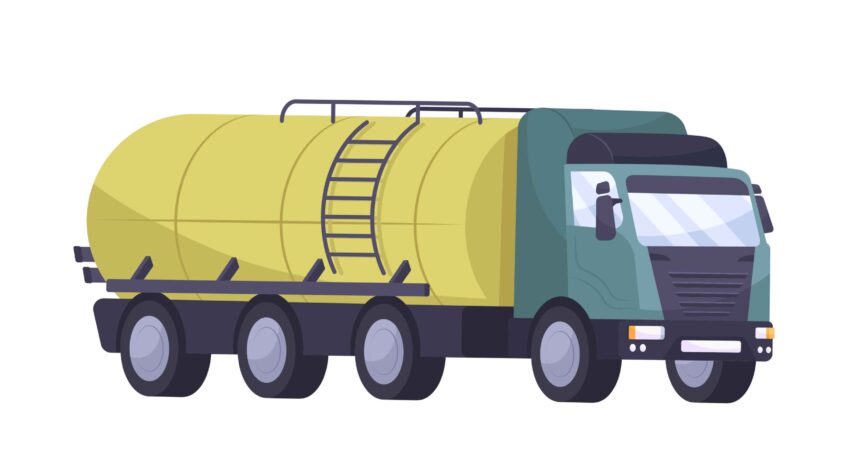
2. Diesel – The Backbone of Heavy Transportation
Where gasoline takes care of the small stuff, diesel handles the heavy lifting.
Diesel fuels:
- Semi-trucks
- Buses
- Trains
- Construction machines
- Farm equipment
- Delivery fleets
Why diesel is still essential:
- More powerful torque
- Better fuel economy for long distances
- Handles large loads without strain
If gasoline is the everyday hero, diesel is the workhorse keeping the economy alive.
3. Electricity – Fastest Growing Transportation Fuel
Electric vehicles (EVs) aren’t the future anymore — they’re here right now.
EVs include:
- Tesla
- Ford Lightning
- Rivian
- Mercedes EQ series
Why electricity is growing:
- Lower emissions
- Cheaper cost per mile
- Quiet and smooth driving
- Government incentives
Charging networks are expanding every day, but we’re not fully electric yet — especially for long-haul trucking.
4. Natural Gas (CNG & LNG)
Used by:
- City buses
- Waste trucks
- Some delivery fleets
- Government vehicles
Why they choose natural gas:
- Lower emissions than gasoline and diesel
- Cost savings for fleets
- Reliable and safe
Not common for passenger cars, but very common in city and commercial operations.
5. Biodiesel & Renewable Diesel
These are cleaner alternatives made from vegetable oils, waste cooking oil, and animal fats.
Used mostly by:
- Commercial fleets
- Municipal trucks
- Companies trying to hit sustainability targets
They reduce emissions while keeping diesel engines running normally.
6. Hydrogen Fuel
Still in the early stages, but growing fast in:
- Buses
- Long-haul trucks
- Some experimental vehicles
Hydrogen is clean and powerful, but fueling stations are limited right now.
So, Which Fuel Is Primarily Used for Transportation?
If we’re talking numbers and usage today:
- Gasoline is still the most used fuel for transportation worldwide.
- But… Diesel dominates heavy-duty travel.
- And Electricity is growing the fastest.
Transportation energy is becoming a mix — not one single source.
Real-World Breakdown
Here’s how the transportation world looks in everyday life:
- For most people: Gasoline cars still dominate.
- For businesses and logistics: Diesel wins — trucks and shipping rely on it.
- For sustainability-focused brands: Electric and biodiesel are picking up fast.
- For future innovation: Hydrogen and advanced electric systems are in the spotlight.
FAQs: Which Fuel Is Primarily Used for Transportation?
Gasoline is the most commonly used because most daily vehicles run on it.
Diesel engines produce more torque and handle heavy loads better, making them ideal for long-distance and commercial use.
Not yet, but they are quickly increasing. Gasoline is still dominant, but EVs are growing every year.